
Understand self
Become more aware of your VASK, strengths and potential through real workplace experiences, building confidence and agency.
Three workplace learning experiences for secondary students. Students try real work, explore different careers and, with guidance from social workers, start planning pathways that fit who they are.
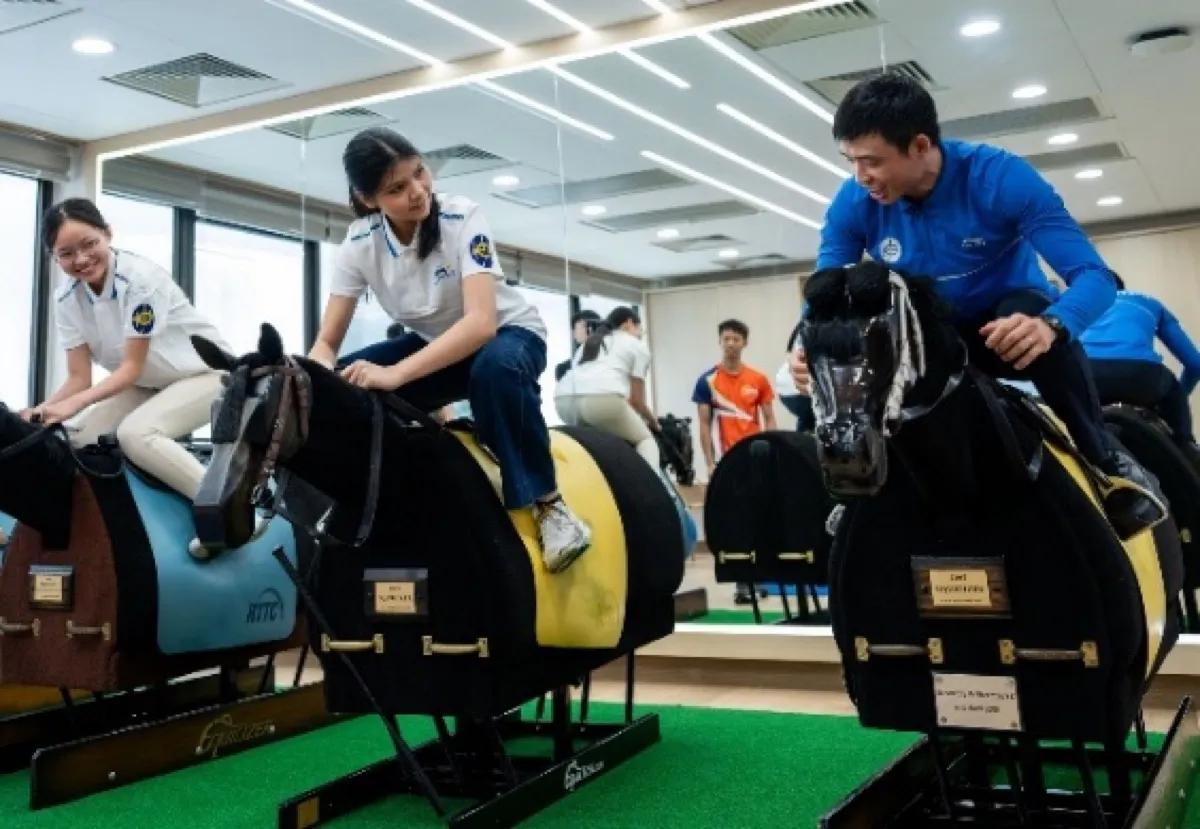
SLASH gives secondary school students three different workplace learning experiences. They explore and develop their interests, learn about different career pathways, broaden their idea of work and take on real work tasks.
Social workers guide students throughout. Preparation before each experience and reflection afterwards help students understand their abilities, interests and aspirations, so they can plan further study and careers that suit them.
Become more aware of your VASK, strengths and potential through real workplace experiences, building confidence and agency.
See diverse industries, roles and work settings, and widen your view of future careers.
Develop professional and future-ready skills, including communication, collaboration, problem-solving and adaptability.
Combine first-hand experience, professional feedback and your RC360 growth record to decide on further study and careers with confidence.
The junior secondary years are a critical stage for students to develop career awareness and a sense of self-identity. SLASH places particular emphasis on developing Career Concern, encouraging students to reflect on future-oriented questions such as “What matters to me?” and “What suits me?”
SLASH builds on the experience and research of CLAP@JC, a project created and funded by The Hong Kong Jockey Club Charities Trust, and uses the VASK framework (Values, Attitudes, Skills and Knowledge) developed there to strengthen self-awareness and career development skills.
Good career development needs more than career information. Students also need to understand their own values, interests, abilities and aspirations to make meaningful choices. This follows Mark Savickas’ Career Construction Theory: people build their career identity and direction by gathering experiences and reflecting on them.
Through systematic workplace experiences and reflection, SLASH helps students develop a future-oriented approach to planning and lays a foundation for future education and career decision-making.
The design of SLASH is also informed by international research. A 2021 report by the Organisation for Economic Co-operation and Development (OECD) synthesised large-scale datasets from ten countries and found a strong positive relationship between participation in different forms of career development activities by age 15 and later employment outcomes. The research indicated that, by their around age 25, young people who had participated in such activities were more likely to experience better employment outcomes
Taking part in different career development activities by this age is strongly linked to later outcomes.
The research indicated that, by their around age 25, young people who had participated in such activities were more likely to experience better employment outcomes, including a lower likelihood of being Not in Education, Employment or Training (NEET), higher earnings, and greater satisfaction with their work, career and life.
SLASH also draws on Benchmark 8: Meaningful Encounters with the Workplace of the Hong Kong Benchmarks for Career and Life Development (HKBM), developed under CLAP@JC. The benchmark emphasises that students should deepen their understanding of the world of work through different forms of workplace learning, such as workplace visits, job shadowing, work experiences and internships. Through this progressive learning journey, students not only develop a better understanding of industry operations and workplace culture, but also learn to connect their personal interests and abilities with future possibilities. This provides a stronger foundation for making informed and appropriate decisions about further education and career pathways. This learning journey, progressing from self-awareness to exploration and real-world practice, helps students gradually develop Career Readiness and make more purposeful, evidence-informed choices about their future education and career development.
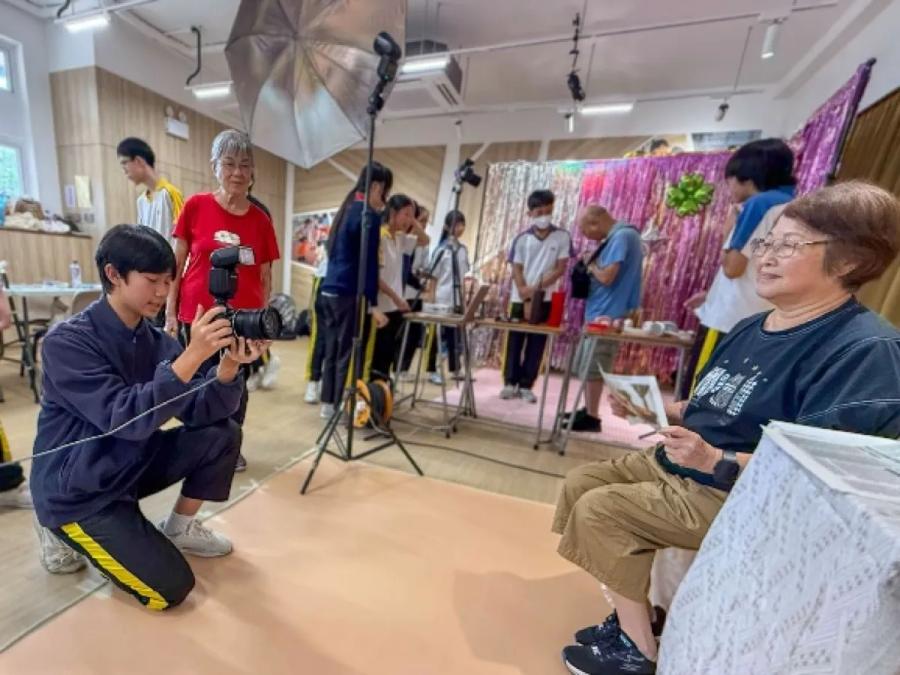
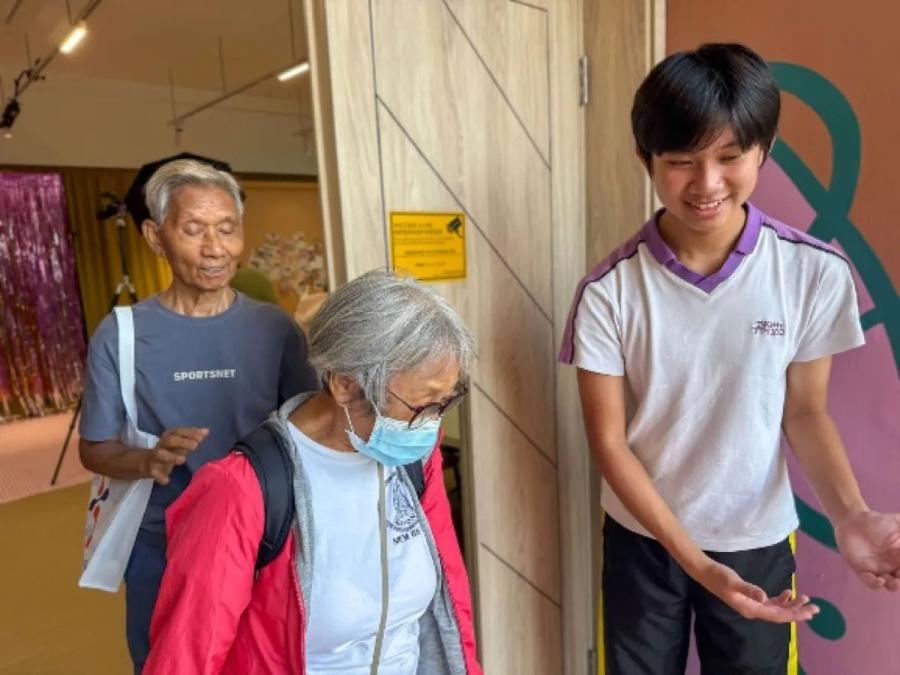
Ho Pak Ngai Rhys, a student from TWGHs Yau Tze Tin Memorial College, took part in the JC YUP SLASH 1 Expanded Notion of Work (ENOW) experience, exploring personal interests, strengths and future directions through a community service initiative, “Y2K Fashion Photoshoot Day.”
Before the service day, Rhys joined VASK self-exploration and intergenerational communication workshops. Simulations of the visual, hearing and mobility limits older adults face helped him understand their needs and interact with empathy.
He then joined the photography team, learned about lighting and posing, and put it into practice on the day. ENOW broadened his idea of work beyond paid employment or a single job: it can also mean creating value and building connections.
He discovered an interest in photography and working with people, and began exploring pathways in photography and people-focused work.
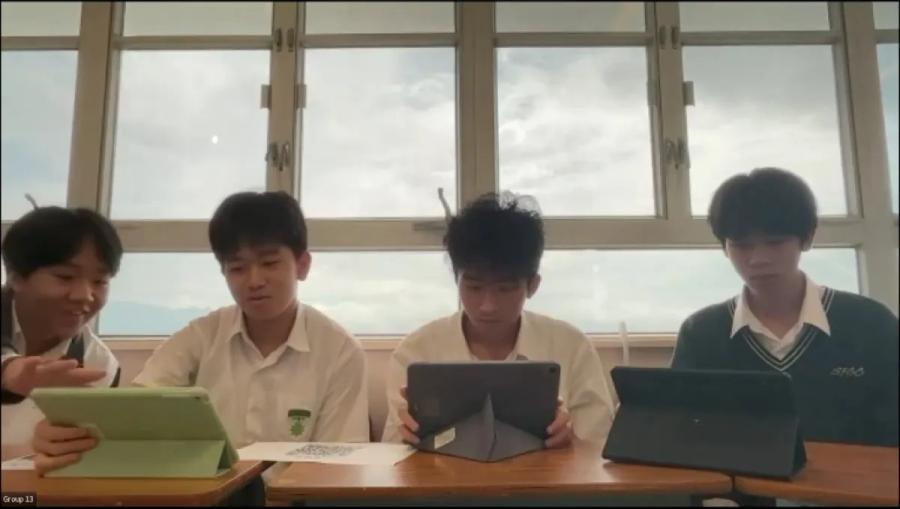
Four students from Hong Kong and Kowloon Kaifong Women's Association Sun Fong Chung College took part in the JC YUP SLASH 2 Virtual Internship, working with a technology company that uses artificial intelligence to support market analysis and workflow automation. Through the experience, the students explored how AI can be applied to marketing.
The students researched personalised advertising, content generation and data analysis, presented to mentors and refined their proposal from the feedback: a real workflow of research, analysis, creative ideas and pitching. Working online gave them first-hand experience of remote work and strengthened their digital skills.
Fung Tsz Kit learned to listen to teammates and combine different views. Reflecting on his VASK before and after, he found that beyond adaptability, critical thinking and independence, he values creating meaningful things and respecting cultural differences, and has potential in communication and supporting others. His interests widened to engineering and technology, law and government, giving him a basis for his next in-person work experience.
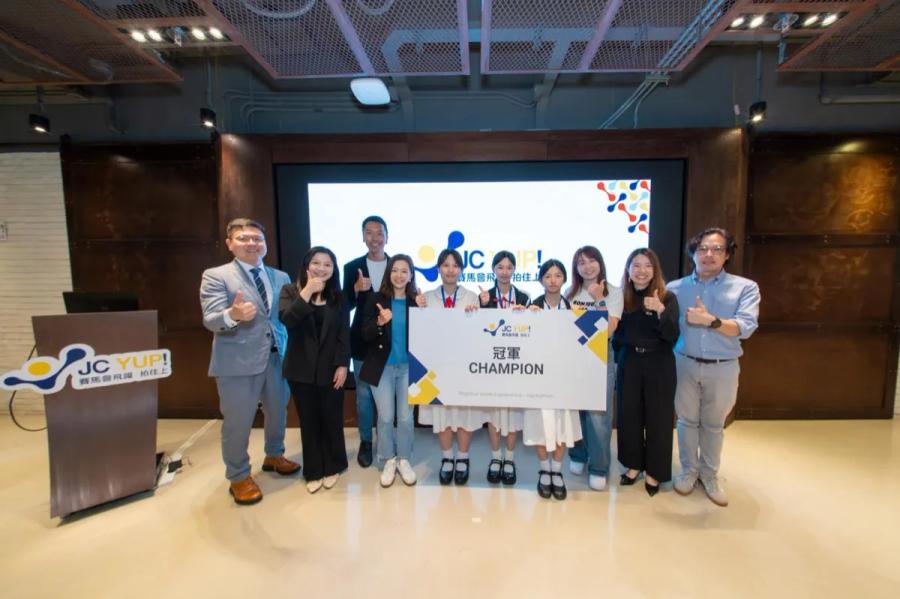
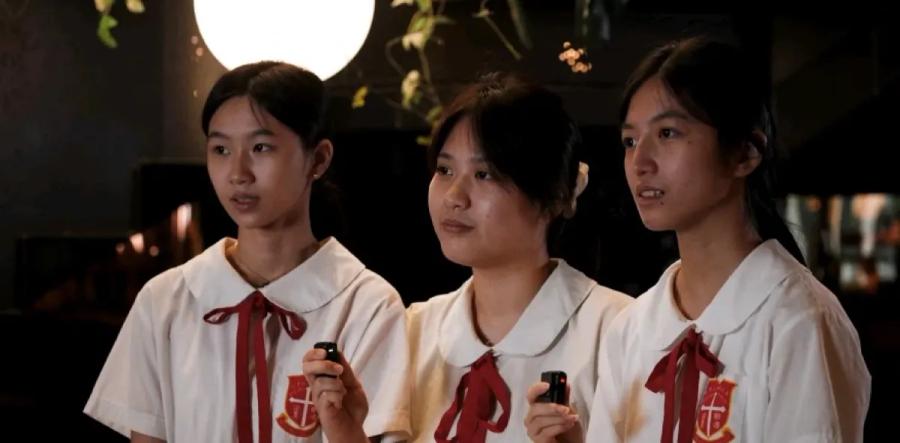
Team “We Are Always Right”, comprising Cheng Yim Man, Chan Ka Wai and Fan Man Lei, three Form 4 students from Newman Catholic College, demonstrated outstanding future-readiness through the JC YUP SLASH 3 Hackathon.
“I never realised that I had underestimated myself all along.”
Responding to a challenge from a laundry service brand, the team reimagined the business from the perspective of young consumers. Their proposal integrated smart garment care, styling management and lifestyle experiences, and moving beyond traditional service models. Drawing on their understanding of digital technology, social media and customer experience, they offered fresh insights that inspired the company to think differently about engaging the next generation of consumers.
The story shows SLASH works both ways. Students explore industries and make better-informed choices; employers gain fresh perspectives, digital fluency and insight into what future consumers and talent want. The team kept refining their work with feedback from mentors throughout the challenge.
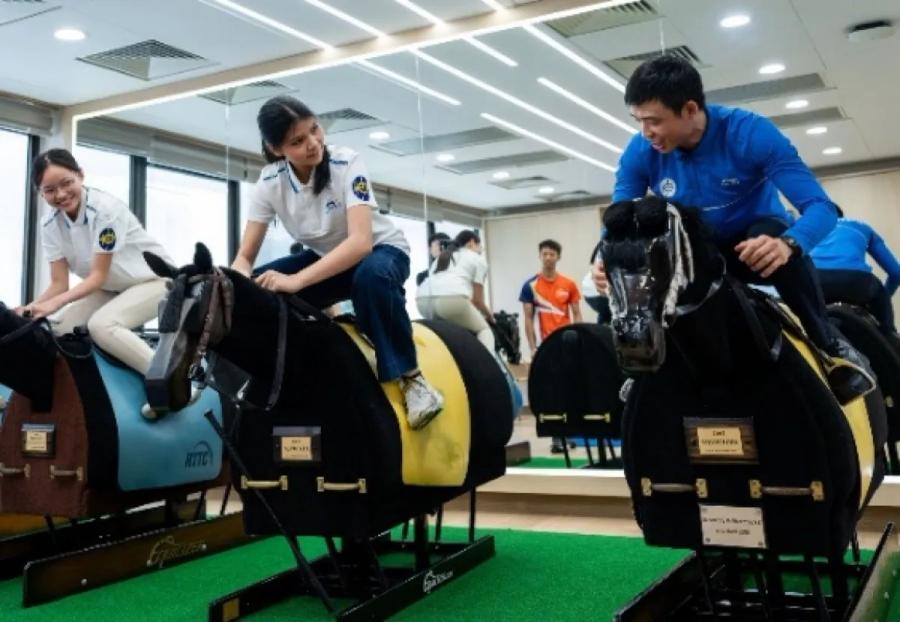
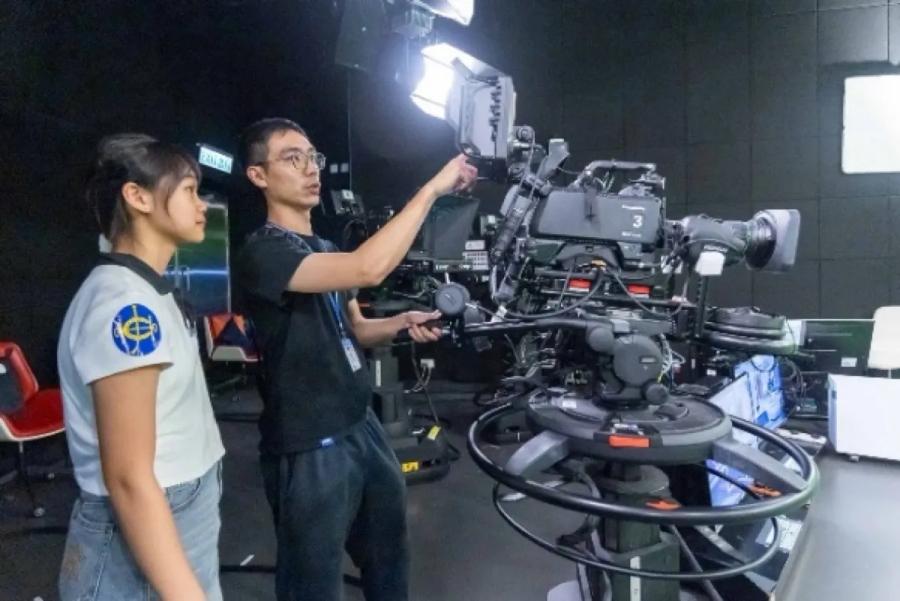
Five students spent five days at The Hong Kong Jockey Club, visiting departments, the horse stables, a clubhouse and a recording studio, and taking on real tasks from admin and horse care to event reception and course design.
Through experiencing different roles, Sham Miu Ching gained a better understanding of personal interests, abilities and work preferences. At the “Say YUP! Proud Moment Showcase”, she received guests for the first time, gradually building confidence in communicating with adults. Meanwhile, Sham Miu Chun stepped beyond an initial reluctance towards digital work by proactively conducting research and completing an online course design with guidance from a mentor. The experience demonstrated how taking the first step and trying something first-hand can uncover hidden abilities and potential.
After each day of the internship, mentors guided the students to reflect on their experiences, helping them identify the VASK they had applied and deepen their understanding of different work functions. Parents also observed that students had become more responsible and mature, as well as more willing to appreciate others and take on challenges. The internship enabled the students to move beyond their existing perceptions and examine their abilities, interests and work preferences in authentic workplace settings, providing a stronger basis for making informed choices about their future education and career pathways.