Form 1 · Building proud moments

Youth-led Accomplishment

A structured programme for Secondary One students. In small teams they explore who they are, lead a project of their own and build confidence and agency along the way.

Student AgencyProud MomentsStrength-based Feedback
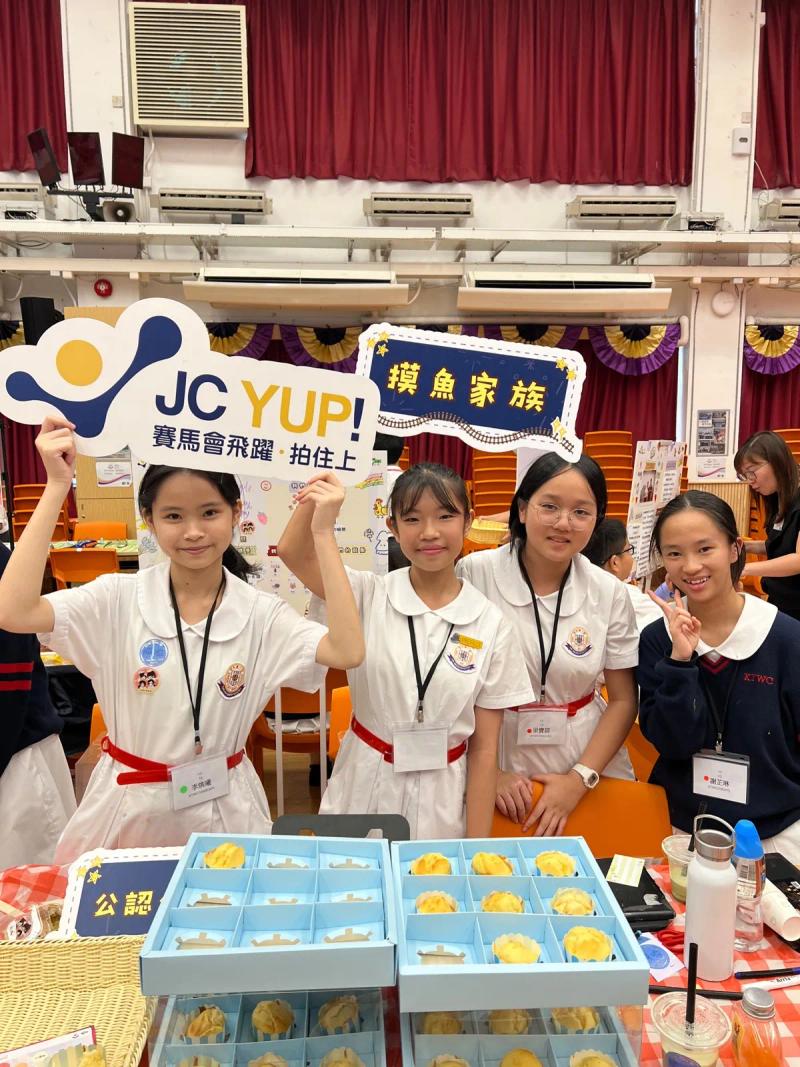
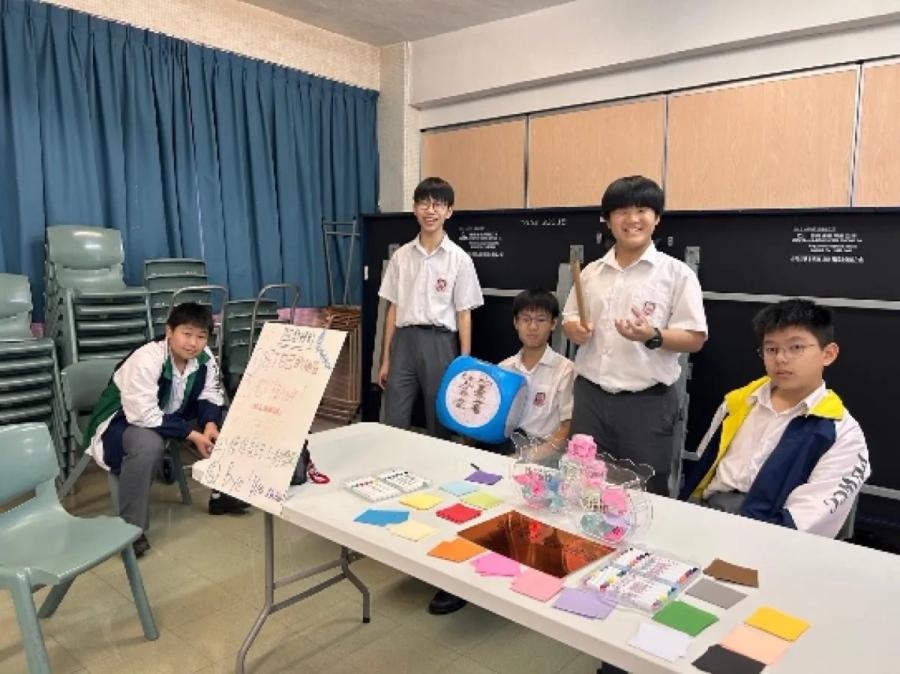
Students with JC YUP signs at their YLA showcase booth
The programme

What is a Youth-led Accomplishment (YLA)?

Youth-led Accomplishment (YLA) is a structurally designed intervention for Secondary One Students under JC YUP, where students are encouraged to engage in self-exploration and develop a positive identity, enabling them to build self-confidence and agency.

The spirit of “Youth-led” is also a key emphasis of YLA. Through guided support and resources, students can lead their own exploration journeys in small groups while gradually discovering their personal VASK (Values, Attitudes, Skills and Knowledge) .

At the same time, the learning journey of our students is documented through the Report Card 360 (RC360), while their achievements are showcased to teachers, peers, parents, and community partners through a showcase platform. This enables students to enhance their positive development and create their own Proud Moments.

Core concept

The Golden Triangle

YLA adopts a Golden Triangle as its core developmental framework, comprising three mutually reinforcing elements

StudentAgencyProudMomentsStrength-basedFeedback

Student Agency

Through the AAR Cycle (Anticipation, Action, Reflection), students develop a sense of agency by setting goals, engaging in exploration and self-reflection. This process enhances self-regulation, resilience, and a growth mindset. Students with a strong sense of agency can proactively explore their interests and strengths, set and adjust goals flexibly, make effective use of time and resources, embrace challenges, continuously reflect on their learning, and collaborate positively with others. As such, they can become drivers of their own learning journeys.

Proud Moments

When students embrace challenges, persevere through difficulties, and push beyond their limits, they experience a genuine sense of achievement and self-recognition. Such experiences foster resilience, self-confidence, and the belief that “I can do it.” YLA also provides suitable challenges and comprehensive support, enabling students to create their own proud moments through exploration, collaboration, and action. These experiences help them rediscover their capabilities and approach future challenges with a more positive outlook.

Strength-based Feedback

By focusing on students’ strengths and potential, YLA strengthens both their positive identity and sense of agency. Specific and constructive feedback helps students recognise and leverage their strengths, while enhancing their self-efficacy and motivation. When their efforts and contributions are acknowledged and valued, students also develop greater self-confidence while fostering mutual appreciation and support among their teams.

Student development

What YLA builds

YLA aims to enhance the following key areas of student development:

Self-efficacy
The belief in one’s ability to successfully complete tasks and overcome challenges.
Self-confidence
Overall trust in one’s own abilities, including when facing setbacks or failures.
Sense of agency
Perception of one’s control over their choices and actions.
Positive identity
Overall appreciation of one’s personal qualities and affirmation of their own self-worth.
Resilience
The ability to adapt to change, recover from setbacks, and remain positive in the face of adversity.
Process

From first spark to proud moment

Each YLA project runs over one school term and consists of five stages:

  1. Preparation Stage

    Engagement

    Students are introduced to the programme and encouraged to build motivation for participation.

  2. Stage 1

    Brainstorming

    Students work in groups of four to explore their interests and identify potential issues for further action.

  3. Stage 2

    Proposal writing & pitching

    Students transform their ideas into concrete plans and present their proposals through pitching sessions.

  4. Stage 3

    Action

    Students implement their initiatives with well-rounded support.

  5. Stage 4

    Showcase

    Peers, teachers, social workers, parents and community partners see, recognise and celebrate the work.

One school term
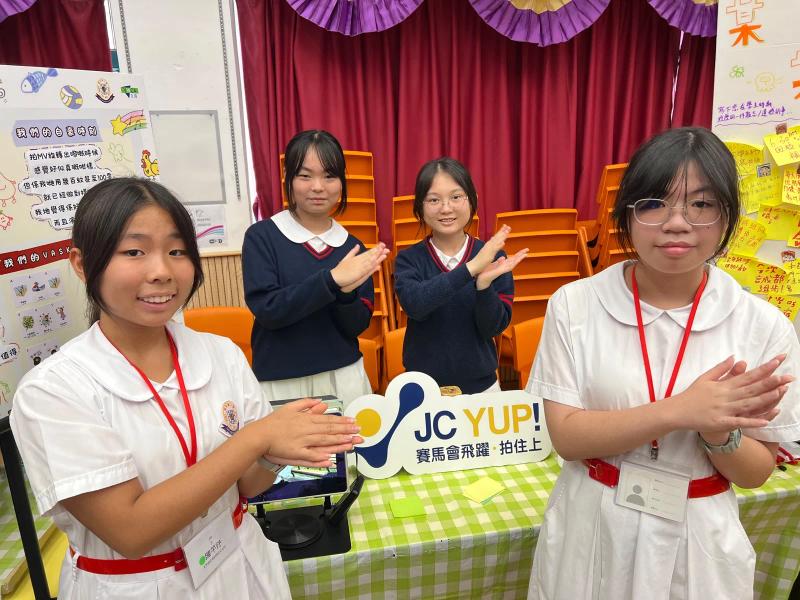
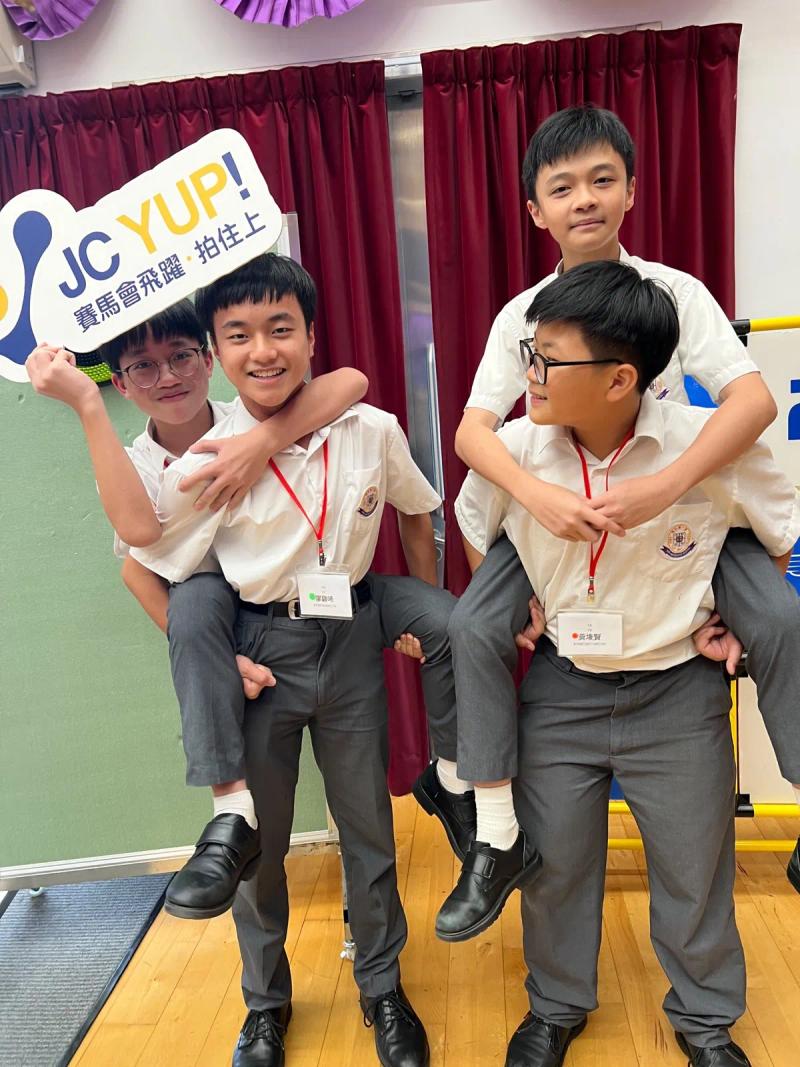
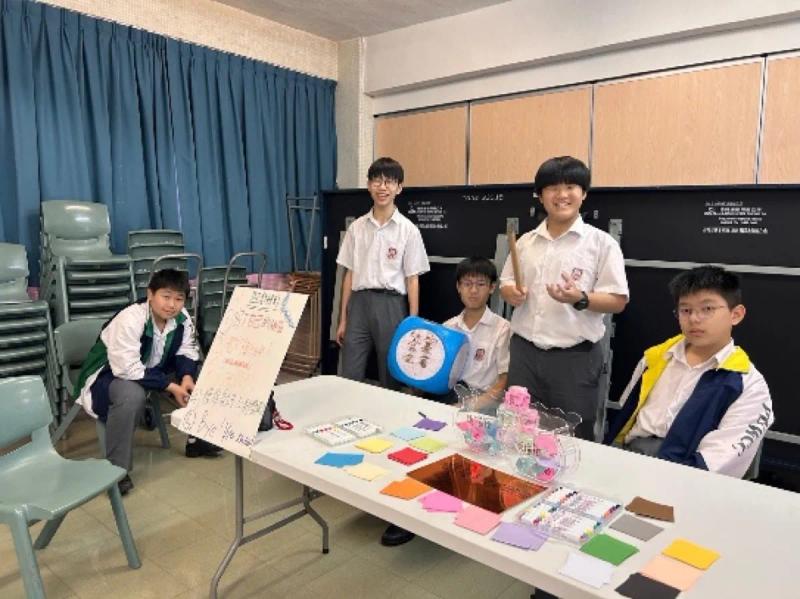
Students at their showcase booth with a JC YUP signTeam presenting their YLA project boothStudents celebrating at the YLA showcaseShowcase booth where students tear up their worries
Impact stories

Proud moments, in their own words

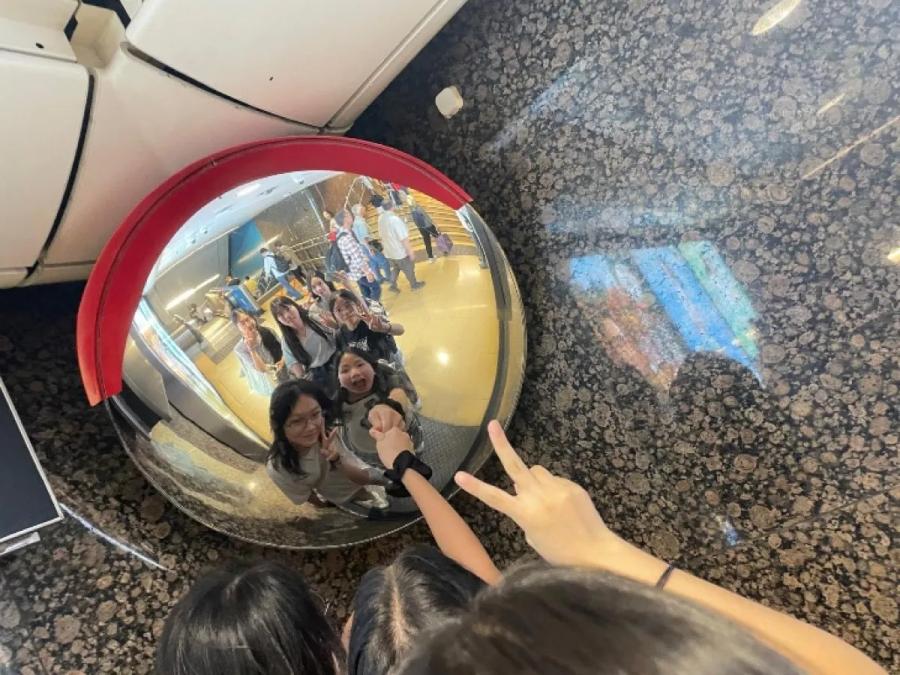
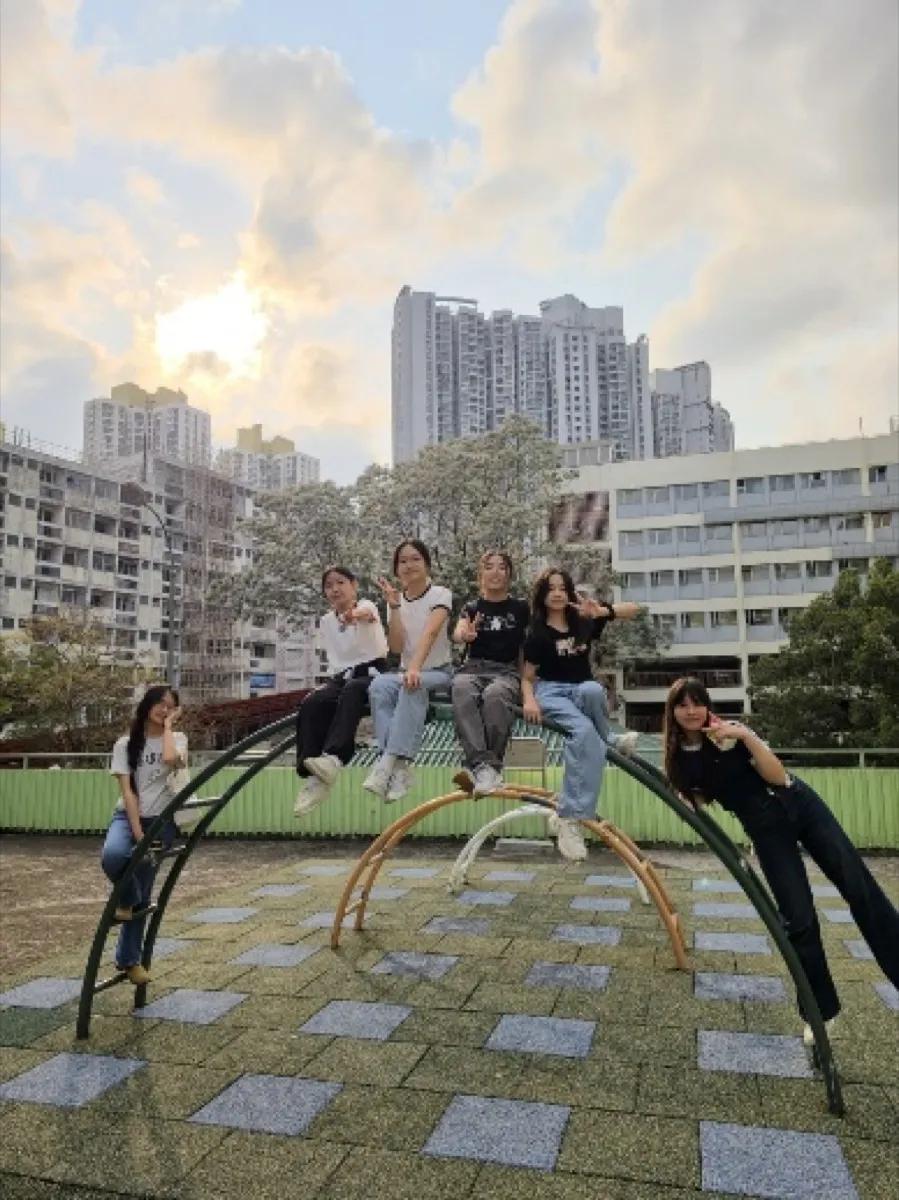
St. Teresa Secondary School team on their MTR journeyTeam member filming at a railway station
St. Teresa Secondary School · Ho Sum Wai

From Chai Wan to Tsuen Wan, an unforgettable 3-day journey across 93 MTR Stations

Ko Wing Hei, Ng Sin Ying, Ho Sum Wai, Sung Chi Yu, Cheung Yat Ching, and Lung Sze Suen from St. Teresa Secondary School share a strong passion for Hong Kong’s extensive transport network. They hoped to highlight this aspect of the city’s uniqueness through their own perspective.

Read the full story

It is with this aspiration in mind that the team decided to embark on an intensive three-day journey, visiting over 90 railway stations and surrounding landmarks across Hong Kong. They also planned the filming of content along the way, producing short videos to document and showcase the city’s culture and unique experiences.

Throughout the process, the team was not only given the chance to pursue their passion, but they also learned how to exert their creativity by turning their personal interests into meaningful and influential work. Most encouragingly, their video received recognition and encouragement from relevant YouTubers, allowing them to feel that their efforts were being seen and appreciated. This affirmation helped them create their proud moments, realise their potential, and gradually shape aspirations for the future.

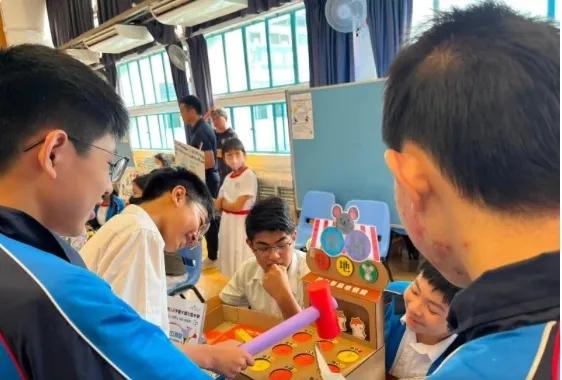
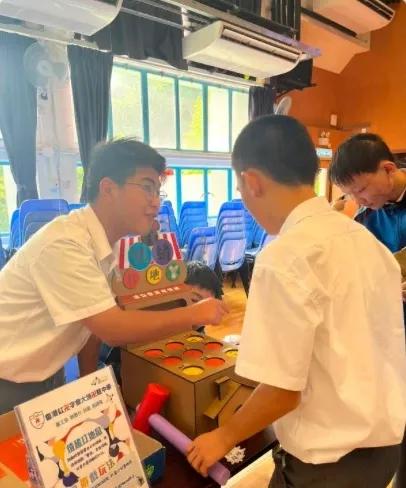
Schoolmates playing the Whack-a-Mole for Emotions game at the boothA team member guiding a student through the Whack-a-Mole game
HK Red Swastika Society Tai Po Secondary School · Lam Po

“Whack-away” negative emotions!

Lam Po, Wong Man Chuen and Kwok Sze Hang from Hong Kong Red Swastika Society Tai Po Secondary School wanted to raise their schoolmates’ awareness of emotional well-being. To turn this idea into action, they independently designed and organised the “Whack-a-Mole for Emotions” activity, using an interactive game to help students “knock away” negative emotions while sharing their most effective stress-relief strategies. Through the initiative, they promoted positive approaches to managing stress across the school community.

“This was the first time I had worked with teammates to complete a project that was entirely planned and delivered by us.”
Read the full story

As a member of the team, Lam Po demonstrated a strong sense of ownership and leadership throughout the project. In the early stages, team members had different ideas and working styles. However, through his proactive coordination, encouragement and facilitation of discussions and preparations, the team gradually built a shared vision. On the day of the event, the booth attracted many participants, creating opportunities for meaningful conversations about emotional well-being. Seeing their ideas embraced by fellow students and making a positive impact on campus brought the team a strong sense of accomplishment and pride.

Through taking ownership of the project and turning their ideas into reality, the team discovered their potential, challenged themselves, and gained recognition from their peers. Most importantly, they experienced the pride that comes from creating positive changes and making a meaningful contribution to their school community.

Po Leung Kuk Wu Chung College booth where students tear up their worries
Po Leung Kuk Wu Chung College · Leung Yi Chun

Tearing Troubles Away, Bit by Bit

Leung Yi Chun and his teammates from Po Leung Kuk Wu Chung College were inspired by an “accident” that led to the creation of their YLA.

Read the full story

During the brainstorming stage, the team originally held differing opinions regarding their potential issue of choice. During a heated discussion, they accidentally tore a worksheet into pieces. However, this incident sparked the team’s creativity and inspired the concept for their final showcase: a booth activity in which students first write down their worries on paper and are then invited to tear it up, symbolising the release of their negative emotions.

Looking back on the experience, Yi Chun shared his initial worry that no one would be interested in their project. However, as more schoolmates visited their booth during the showcase, he gradually felt the recognition and appreciation towards their ideas. This helped him develop a stronger sense of positive identity and achievement, creating a proud moment for both him and his team. Moreover, Yi Chun also noticed that many teachers visited the booth and left heartfelt messages, inspiring him to follow up on the issue of teachers’ mental well-being and take meaningful action in the future.

Resources

The “Proud Moment” Guidebook

The “Proud Moment” Guidebook was published after the first pilot year of the project to provide valuable insights for NGO partners and model schools in exchanging practical wisdom. Successful cases and reference tools are included to support the wider adoption of good practices.

Download PDF